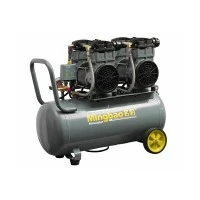

The core structure of a belt-driven air compressor primarily consists of a power system, a compression system, a transmission system, a cooling and lubrication system, and a control and safety system; these components work in concert to achieve the continuous compression and stable output of air.
The power system typically comprises an electric motor, serving as the driving source for the entire unit; it converts electrical energy into mechanical energy to provide continuous power to the air compressor. The compression system constitutes the core component, consisting of a screw air-end (comprising male and female rotors housed within a casing); through the meshing rotation of the rotors, it facilitates the intake, compression, and discharge of air, thereby serving as the critical factor determining the equipment's performance.
The transmission system is a defining characteristic of belt-driven air compressors, composed of a motor pulley, an air-end pulley, and a drive belt. It facilitates power transmission via the belt and allows for the adjustment of rotational speed-by swapping pulleys-to accommodate varying air discharge requirements. The cooling and lubrication system is responsible for cooling, lubricating, and sealing the air-end; it typically operates via a circulating oil injection method, ensuring the equipment maintains stable operation within high-temperature and high-pressure environments.
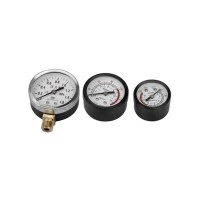
The control and safety system incorporates devices such as pressure switches, temperature protectors, pressure gauges, and safety valves. These components monitor operational status in real-time and provide protection against overload and overpressure, ensuring that the equipment shuts down promptly in the event of abnormal conditions, thereby enhancing overall operational safety and reliability.