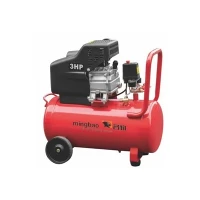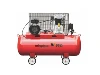

When selecting a belt-driven air compressor, users must base their decision on their specific practical requirements. For instance, one should select an appropriate model based on the required airflow volume and pressure of the compressed air; choose equipment with a suitable protection rating based on the severity of the operating environment; and opt for a model that is easy to operate and maintain, taking into account the equipment's specific maintenance and upkeep needs.
The market features various manufacturers of belt-driven air compressors, producing units characterized by high energy efficiency, stability, reliability, and ease of operation. These manufacturers typically possess advanced production facilities and testing technologies, enabling them to ensure that their equipment complies with both industry standards and user requirements. Furthermore, they provide comprehensive after-sales service and technical support, offering timely and effective solutions to any issues users may encounter during operation.
Particular attention should be paid to the equipment's core configuration, including the quality of the air-end (main unit), the performance of the motor, and the reliability of the belt transmission system. The machining precision and stability of the air-end directly impact the overall efficiency of the compressor, while the energy efficiency rating of the motor is a critical factor in long-term operating costs. Regarding the belt system, one should select a design featuring a well-engineered tensioning mechanism and superior wear resistance to minimize the frequency of future maintenance. Additionally, it is essential to consider the equipment's noise levels and heat dissipation capabilities to ensure that stable performance is maintained even under prolonged operating conditions.