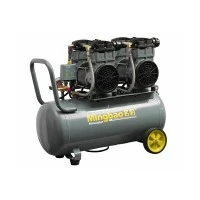

The product design of direct-drive air compressors involves directly coupling the motor to the screw air-end via a coupling mechanism. This approach eliminates intermediate transmission stages, thereby enhancing energy transfer efficiency and minimizing mechanical losses. During the initial design phase, systematic planning typically centers on the overall system compatibility to ensure that the motor's output characteristics are precisely matched with the load curve of the air-end.
Structural Design
Direct-drive air compressors prioritize coaxial alignment and a rigid structural layout. The motor and air-end are typically mounted on a unified base or utilize a compact mounting configuration to mitigate the adverse effects of vibration and misalignment. Concurrently, the cooling, lubrication, and air-flow systems are intelligently integrated within a confined space; this arrangement not only ensures effective heat dissipation but also optimizes the equipment's spatial footprint, making it highly suitable for installation and maintenance in industrial environments.
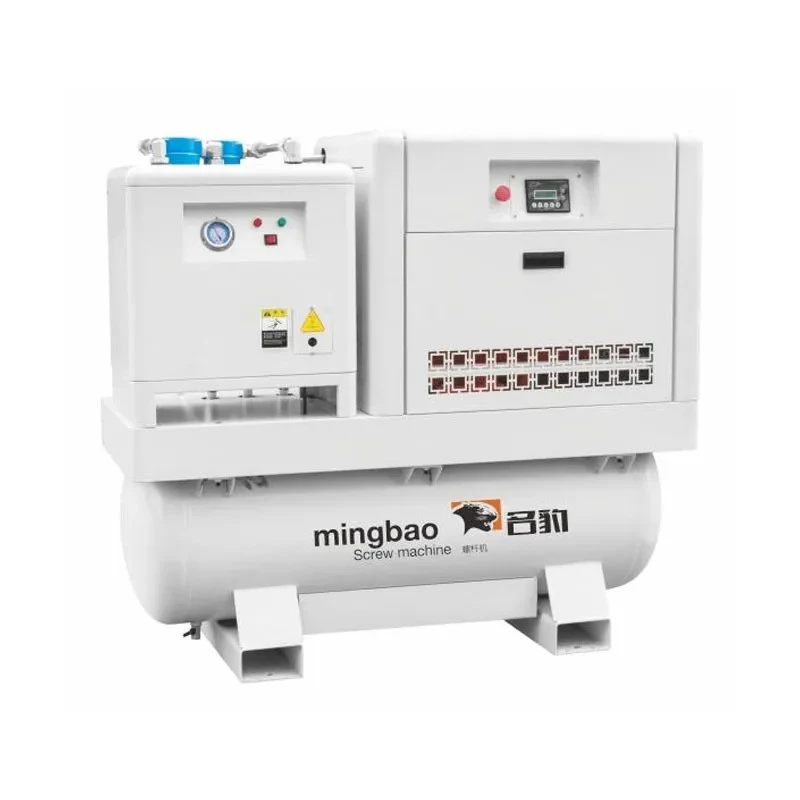
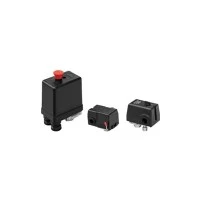
Functional Design Modern direct-drive air compressors widely incorporate intelligent control concepts, utilizing sophisticated control systems to manage functions such as pressure regulation, temperature monitoring, and fault protection. Certain models also feature Variable Frequency Drive (VFD) technology, enabling the equipment to automatically adjust its operational state in response to actual air demand; this ensures a stable air supply while simultaneously achieving energy-efficient operation. Overall, the product design places a strong emphasis on balancing efficiency, safety, and long-term operational economy.